The Healthy Narcissist
Strength without cruelty. Self-respect without arrogance. A philosophy for the naturally humble who are learning to stand upright.
Explore The Healthy Narcissist on Amazon ↗The art of balancing empathy and self-regard
Some people have no shortage of empathy. They understand others, accommodate others, and make room for everyone but themselves. Healthy narcissism is the deliberate recovery of an inner backbone: the capacity to value your own life while still caring deeply for other people. It is not narcissistic personality disorder, entitlement, or a license to exploit. It is the balance of compassion, boundaries, courage, and earned confidence.
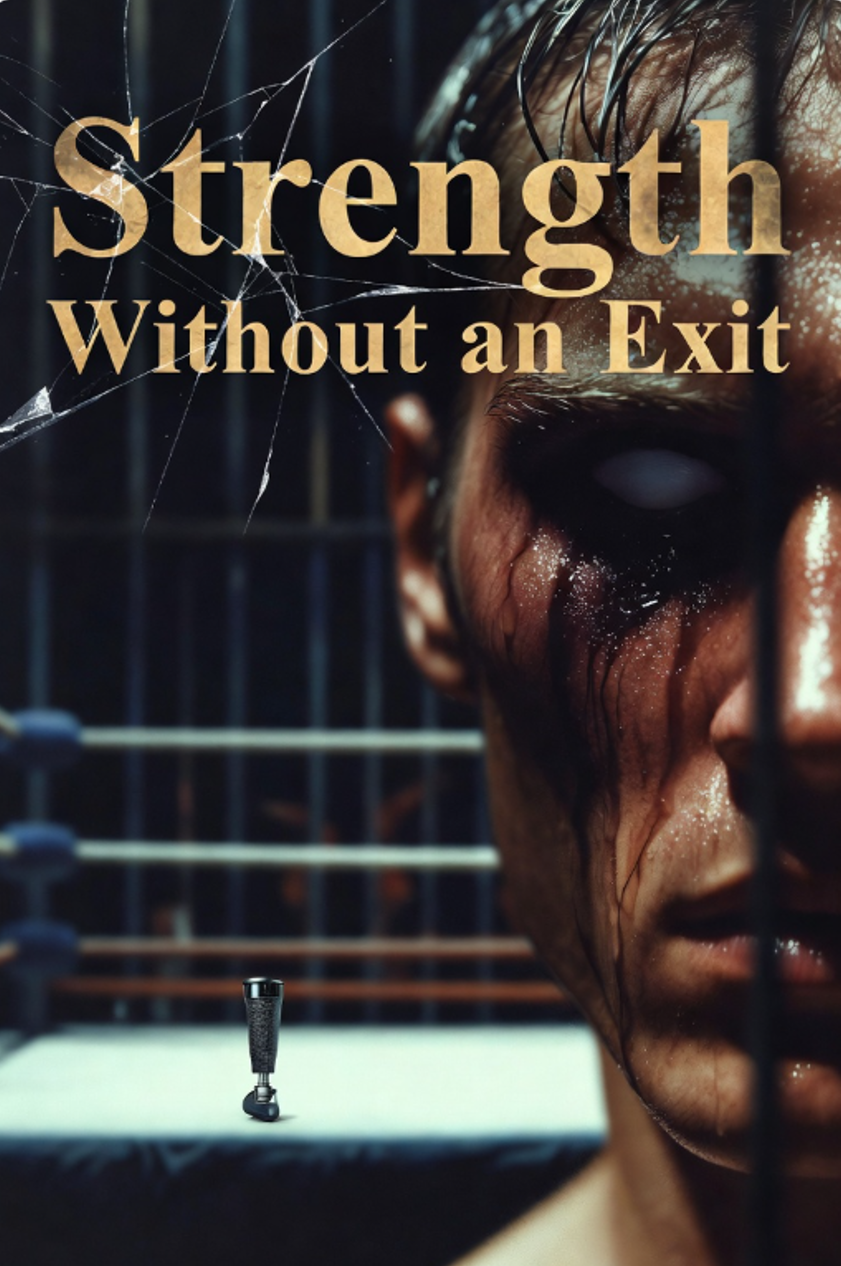




Strength that protects
The lion does not have to devour the sheep to be powerful. The protector is strong enough to defend others and secure enough to refuse domination. These images explore the tension between the wounded self and the courageous self, the desire to escape and the responsibility to protect, and the quiet determination to continue.
Healthy narcissism means having enough pride to survive without losing the empathy that makes survival meaningful.
Ernest Shackleton: Confidence in the service of others
In The Laws of Human Nature, Robert Greene explores Ernest Shackleton's leadership during the Endurance expedition. When the ship became trapped and was eventually crushed by Antarctic ice, Shackleton sustained his crew through extraordinary hardship. His self-belief became a source of reassurance and practical leadership, not a claim that he was above everyone else. The distinction matters: conviction can serve the group rather than the ego.
Literary inspiration and credit: Robert Greene, The Laws of Human Nature. This is Danny Richard's independent reflection on the historical example, not an excerpt or endorsement.
Viktor Frankl: The inner life worth defending
Viktor Frankl's work offers a second dimension of self-respect: the determination to protect meaning and dignity under extreme conditions. In this philosophy, a healthy sense of self is not an inflated story about being exceptional. It is the conviction that one's life has inherent worth, even when external circumstances threaten to erase it.
Kerry Von Erich: Strength Without an Exit
An original reflection by Danny Richard from The Masculine Mind. Presented here free to read. The story addresses grief, overwhelming expectations, and suicide without romanticizing death.




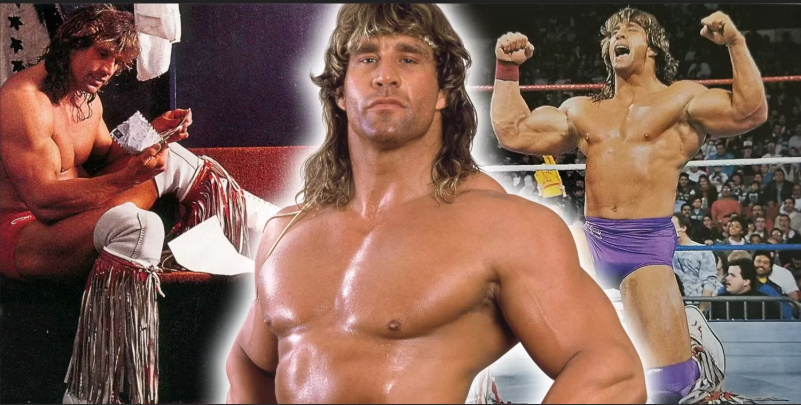
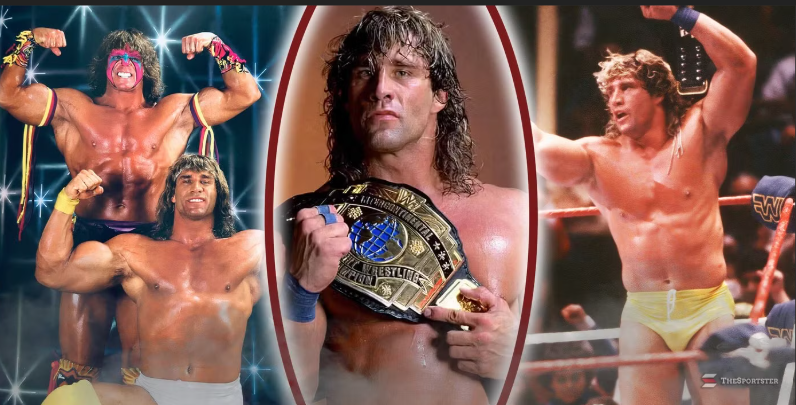
Reflection 1: The Tragedy of Kerry Von Erich: Strength Without an Exit
Kerry Von Erich was born into legend. The Von Erich name carried mythic weight in professional wrestling—glory, loyalty, expectation, and a family identity so powerful it left little room for escape. Kerry was gifted, charismatic, adored by fans, and burdened by something far heavier than opponents in the ring: obligation without permission to stop.
To the world, Kerry was invincible. To himself, he was exhausted.
The Von Erich brothers were bound together by love, tragedy, and a destiny they did not fully choose. One by one, the brothers died—illness, accidents, despair. What remained was not just grief, but a silent mandate: endure. Carry the name. Be strong. Perform. Don’t break. Don’t leave. Don’t rest.
Kerry lost more than brothers. He lost the idea that life could be chosen rather than carried. Even after losing his foot in a motorcycle accident—a trauma that would have ended most athletic careers—he returned to wrestling, hiding pain behind prosthetics and applause. The crowd saw courage. What they did not see was a man slowly running out of reasons to keep going without a way to step off the ride.
Kerry’s tragedy was not weakness. It was strength without sovereignty.
Men are rarely taught how to quit without dying. They are taught to push, endure, sacrifice, and suppress. Obligation becomes virtue. Endurance becomes identity. And when the weight becomes unbearable, the only imagined escape is total annihilation—because no other exit has been modeled.
Kerry fantasized about reunion with his brothers, not because he wanted death, but because he wanted rest. He wanted an end to expectation. An end to pain. An end to the role he never stopped playing. In 1993, he shot himself through the heart. The body died, but what truly failed was the belief that a man is allowed to say no and still be worthy.
That belief is what was missing.
This is where modern masculinity fails men. It offers duty without autonomy, commitment without consent, responsibility without retreat. It tells men that choosing themselves is selfish, that leaving is cowardice, that rest must be earned through suffering. It does not teach men how to reclaim agency before despair turns lethal.
This is why voices like Rollo Tomassi matter—not because they promote anger or rebellion for its own sake, but because they reintroduce a forbidden concept: men are allowed to choose themselves.
The Red Pill is not about abandoning responsibility. It is about refusing bondage masquerading as virtue. It is about recognizing when obligation has crossed the line into self-erasure. It is about understanding that pride, confidence, and even a measure of narcissism are not moral failures—they are survival traits when a man is drowning under expectations he never agreed to.
“Fuck the baggage. Fuck the bondage.”
That isn’t nihilism. That is a man gasping for oxygen.
Imagine if Kerry had been told this:
You are not the name.
You are not the expectation.
You are not required to die to prove loyalty.
Imagine if someone had said, Take a break. Disappear for a while. Go somewhere cold and quiet. Sit with men who expect nothing from you. Drink. Laugh. Rage. Rest. Not to self-destruct—but to interrupt the spiral.
An eject button doesn’t end the ride forever.
It stops the machine before it kills you.
That is the part men are not taught.
Marriage, family, career—these are not prisons by default. They become prisons when a man believes there is no exit without catastrophe. When obligation becomes absolute, the nervous system goes into siege mode. The heart gets tired. The mind narrows. Fantasies of escape become fantasies of disappearance.
That does not mean you want to die.
It means you want relief without punishment.
Healthy masculinity includes the right to pause, renegotiate, or walk away alive. It includes bravado when you’ve been shrinking. It includes unapologetic self-priority when you’ve been self-abandoning. It includes saying, Nobody tells me who I am. Nobody owns my life.
Kerry Von Erich needed that message. Not encouragement to escape responsibility—but permission to reclaim authorship before despair convinced him death was the only door left.
This chapter is not a glorification of suicide. It is an indictment of a culture that leaves men with only two options: endure silently or disappear completely.
There is a third option.
Step off.
Catch your breath.
Reclaim your pride.
Redefine your terms.
Live.
And if at any point the weight feels like it’s tipping from metaphor into danger, you don’t have to carry it alone. Reaching out—to a trusted person or a professional—is not weakness; it’s an act of self-command.
Kerry didn’t need to die.
He needed an exit that led back to himself.
So do you.
If this subject feels personal or urgent, support is available in the United States by calling or texting 988.
Explore the full philosophy
Read more about empathy, boundaries, resilience, masculine self-respect, and the strength to live with purpose.
View The Healthy Narcissist on Amazon ↗