01 · Warmth
Heat surrounds the body. Muscles can begin to feel less tense. For me, this is the beginning of leaving the day's worries behind.
The body interrupts the storm of the mind. The warmth returns. And a night of rest can change the way tomorrow begins.
By Danny Richard
My DiscoveryA Tribute to Wim Hof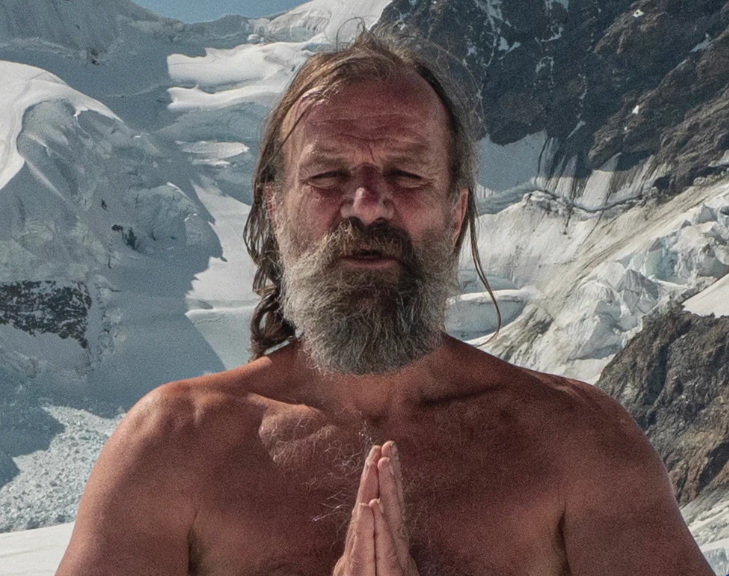

I have spent years living with a mind that can race, ruminate, and refuse to settle. Then I discovered something that felt extraordinary. Heat. Cold. Heat again. Each change in temperature pulled my attention away from the noise of my thoughts and back into the physical sensation of being alive.
At about nine in the evening, I prepare my steam room. When it is ready, I enter the warmth. Later, the contrast of cold feels astonishing. I notice my thoughts become quieter because my attention is occupied by the body. When I return to warmth, I experience a deep feeling of relief. I end the evening warm enough to be comfortable beneath my blankets.
For me, this has become more than a wellness trend. It is one of the most meaningful personal discoveries I have made. I look forward to the shift from intensity to comfort. The experience helps me feel present, calm, and ready for sleep.
My belief is simple: a good night of sleep shapes the next day. When I sleep well, I often wake with a steadier mind. That is why I want to share this experience with people who struggle with restless nights, difficult moods, and intrusive thoughts.
Wim Hof helped bring deliberate cold exposure into popular conversation. Known for his extraordinary feats in cold environments, he has encouraged people around the world to explore their relationship with physical discomfort, breath, and attention. His example led me to read The Wim Hof Method and to experiment with temperature as part of my own life.
What I learned from him was not that everyone needs to become an extreme athlete. It was that the body can command the attention of the mind. My own discovery took that inspiration in a different direction: I began combining the sensations of heat and cold, then returning to warmth before bed. I am grateful to Wim Hof for opening that door.
Wim Hof popularized cold-exposure practices; he did not invent the centuries-old traditions of hot-and-cold bathing. My personal experience is not a clinical finding or a cure for psychosis or bipolar disorder.
Explore the Wim Hof Method ↗Heat surrounds the body. Muscles can begin to feel less tense. For me, this is the beginning of leaving the day's worries behind.
The sudden sensation captures my attention. Instead of analyzing every thought, I notice breath, skin, and the present moment.
Warmth after cold feels wonderfully soothing to me. That contrast is the heart of my experience, and the feeling I want readers to understand.
Afterward, I feel ready to settle into bed. When I sleep deeply, I often experience the next morning as calmer and more hopeful.
I want people to experience the relief I have found, but the safest starting point is gentle and personal—not copying extreme temperatures, long exposures, or my exact routine. Comfortable warm bathing followed by a brief cool shower may be a more approachable way to explore contrast.
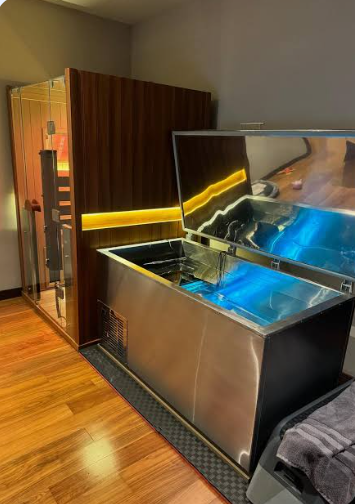
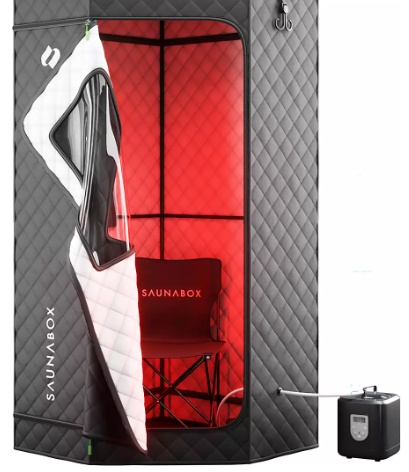
For equipment, look at a SaunaBox steam sauna and a purpose-built cold plunge. Follow the manufacturers' instructions and medical guidance. These are product links, not claims that the equipment treats mental illness.
Neville Goddard wrote about the power of feeling in Feeling Is the Secret. That idea speaks to me. My heat-and-cold routine is not just a temperature change. It is an experience I can feel with my entire body. When my thoughts have been loud all day, I want something stronger than another thought. I want to feel alive. I want to notice the world through all five senses.
The steam warms my skin. The cold brings a completely different sensation. Then the return to warmth feels extraordinary. This contrast pulls my attention away from rumination and into the present.
I see the red glow inside my SaunaBox. The color becomes part of the atmosphere. It tells my mind that the working day is over and this time is mine. I enjoy the light as part of the ritual, without assuming it provides a medical treatment.
I play music I love. A familiar song can soften the edges of a difficult evening. Instead of listening to anxious thoughts, I listen to melody, rhythm, and voices that bring me peace.
Lavender, mint, or rosemary can give the steam a scent I associate with comfort and freshness. I only use aromas if the equipment maker permits them and they do not irritate my breathing or skin.
I sip cool water with flavor enhancers I enjoy. The taste is refreshing against the warmth. Even drinking becomes part of the experience: one more simple sensation to appreciate.
The heat. The cold. The red light. The music. The fragrance. The cold water. I am not trying to win an argument with my thoughts. I am giving myself something beautiful to experience. For me, bringing all five senses into one nightly ritual is what makes heat-and-cold therapy so memorable. The goal is not to endure extremes. It is to find comfort, presence, and a gentler transition into sleep.
— Danny Richard
Personal experience, not a proven treatment for psychosis, bipolar disorder, or insomnia. Avoid extreme heat or cold, never use a household chest freezer for immersion, and check with a clinician before contrast exposure if you have a medical condition. Use only sauna-approved aromatics; essential oils can irritate airways and may damage equipment.
For me, heat and cold have become a powerful way to step outside mental turmoil and feel the body again. I cannot promise everyone the same result. But I can tell you why I believe in it so strongly: the nights I feel most restored often lead to the days I feel most alive. This page is my tribute to that discovery—and to the possibility that relief may come from experiences we can feel, not just thoughts we try to control.
— Danny Richard